Project: "Horizon Plaza" Mixed-Use Commercial Development Location: Vancouver, British Columbia, Canada Primary Applications: Concrete formwork; roof decking; shear walls; site hoarding. Overview of Plywood Usage For the fast-paced "Horizon Plaza" de...
Project: "Horizon Plaza" Mixed-Use Commercial Development
Location: Vancouver, British Columbia, Canada
Primary Applications: Concrete formwork; roof decking; shear walls; site hoarding.
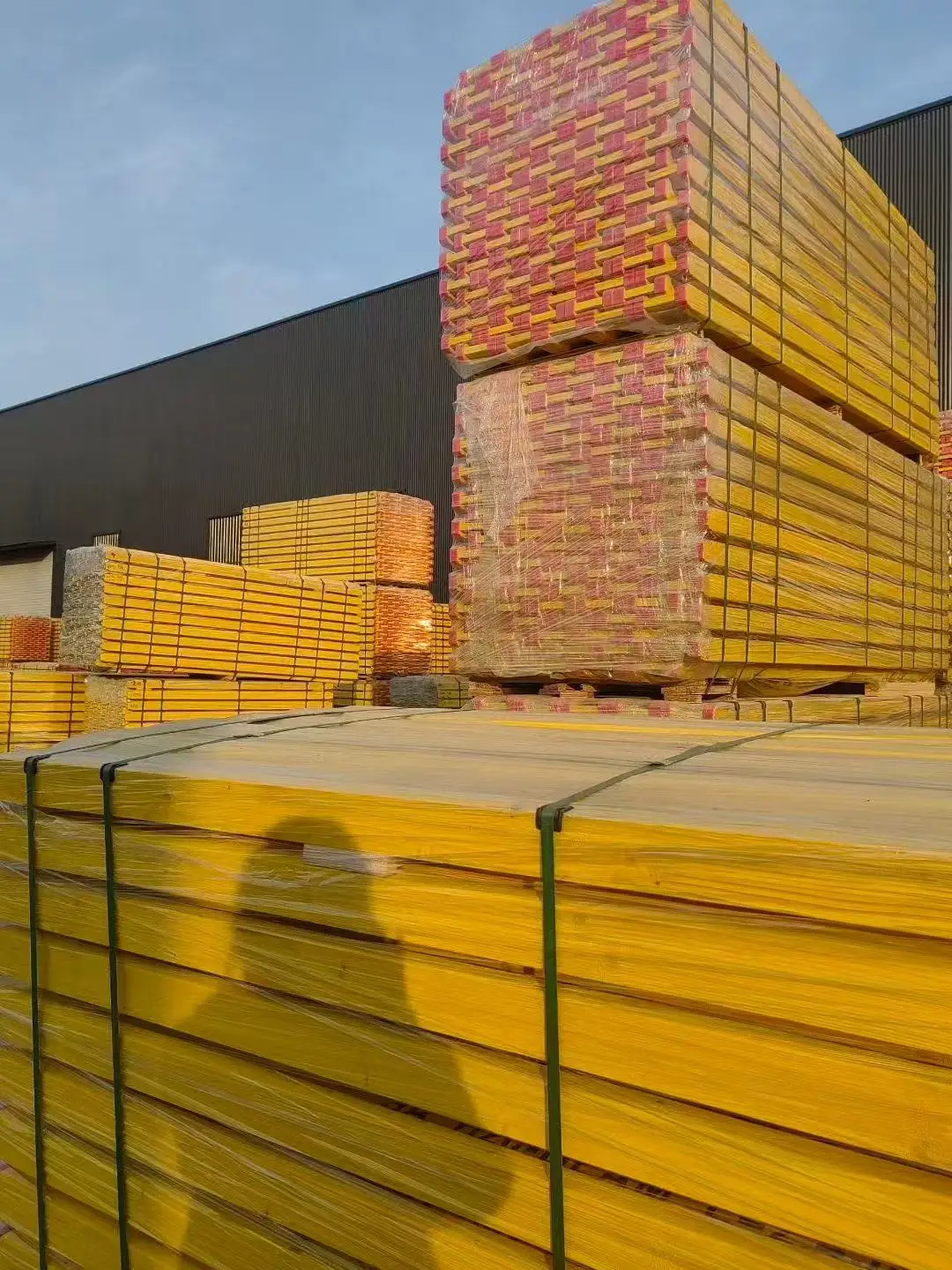
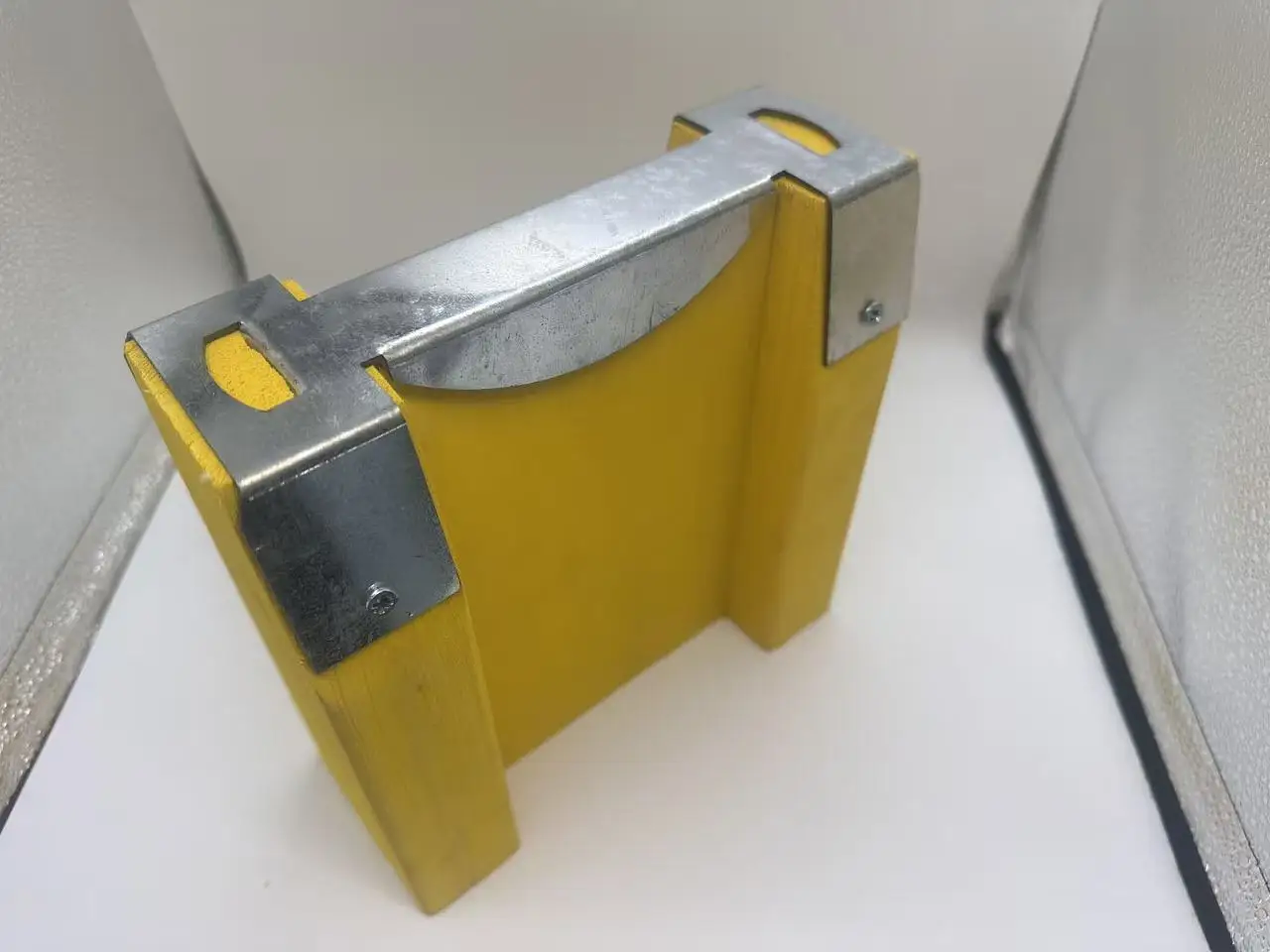
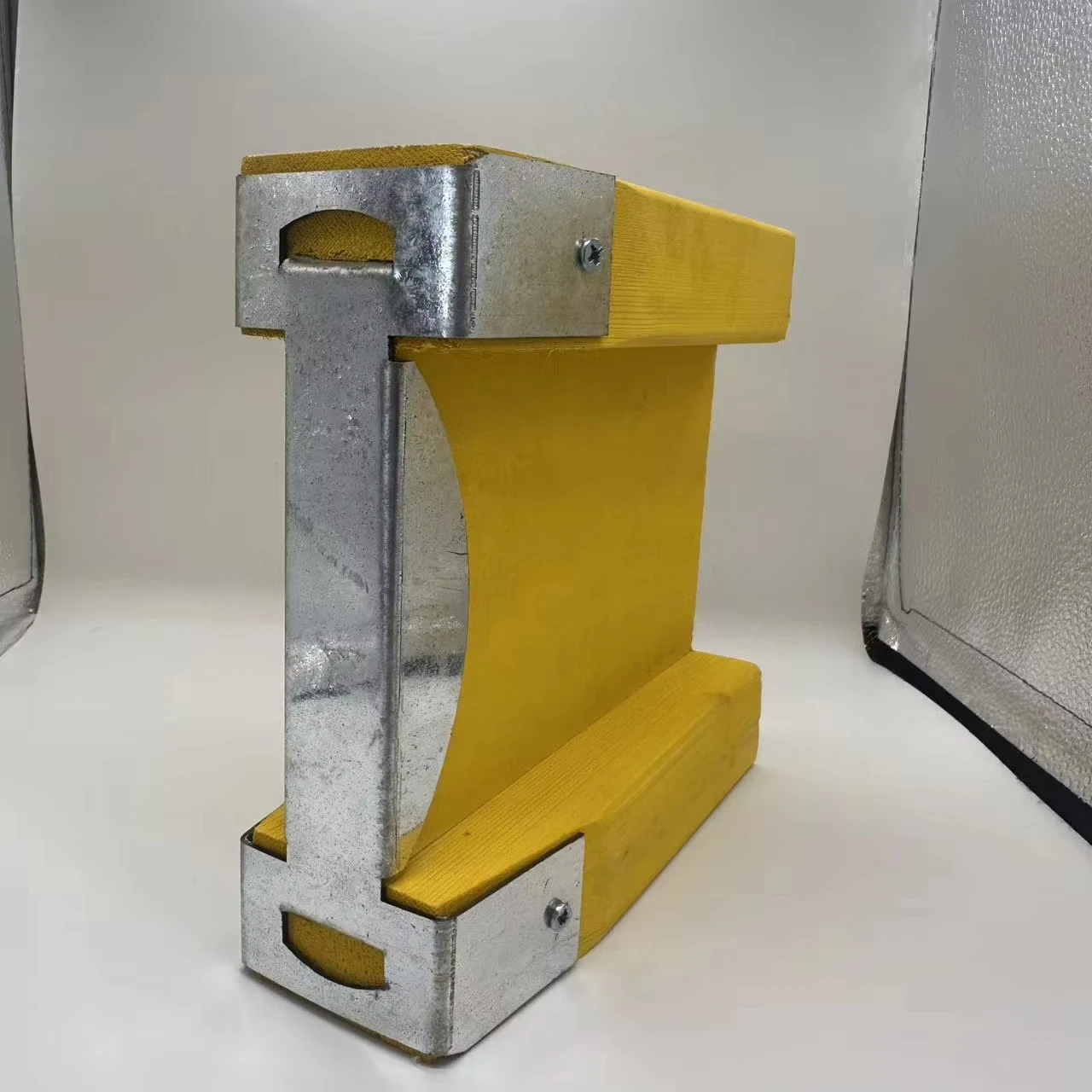
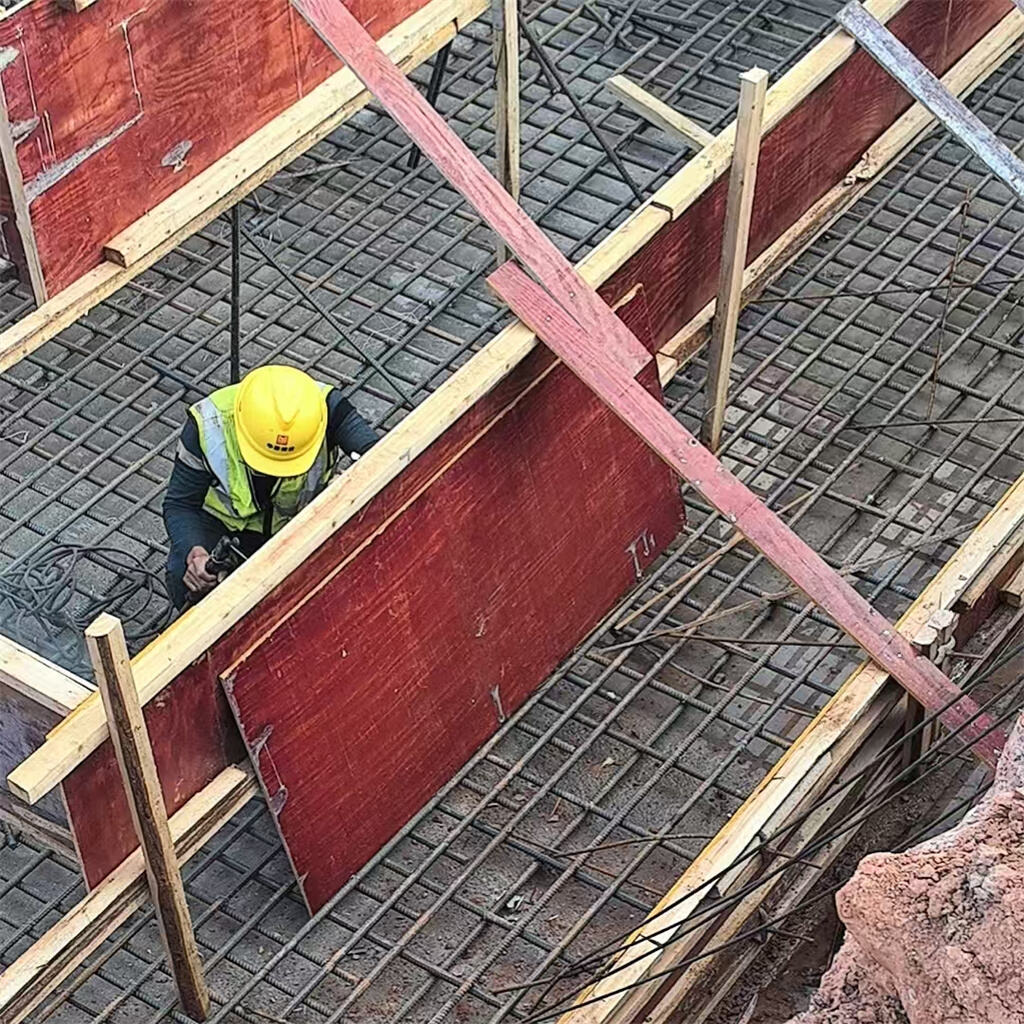
For the fast-paced "Horizon Plaza" development, plywood's primary role was as high-durability concrete formwork. Thousands of square meters of specialized plywood were used to create molds for casting slabs, columns, beams, and core walls. Its smooth surface and high reusability were critical for maintaining schedule and budget. Additionally, thick plywood panels were employed as structural roof decking and as shear walls in parking structures. Even on the construction site, plywood was ubiquitous for hoarding and temporary enclosures.
Frequency: Intensive and Cyclical. Formwork plywood was a consumable material managed through complex logistics and reuse schedules.
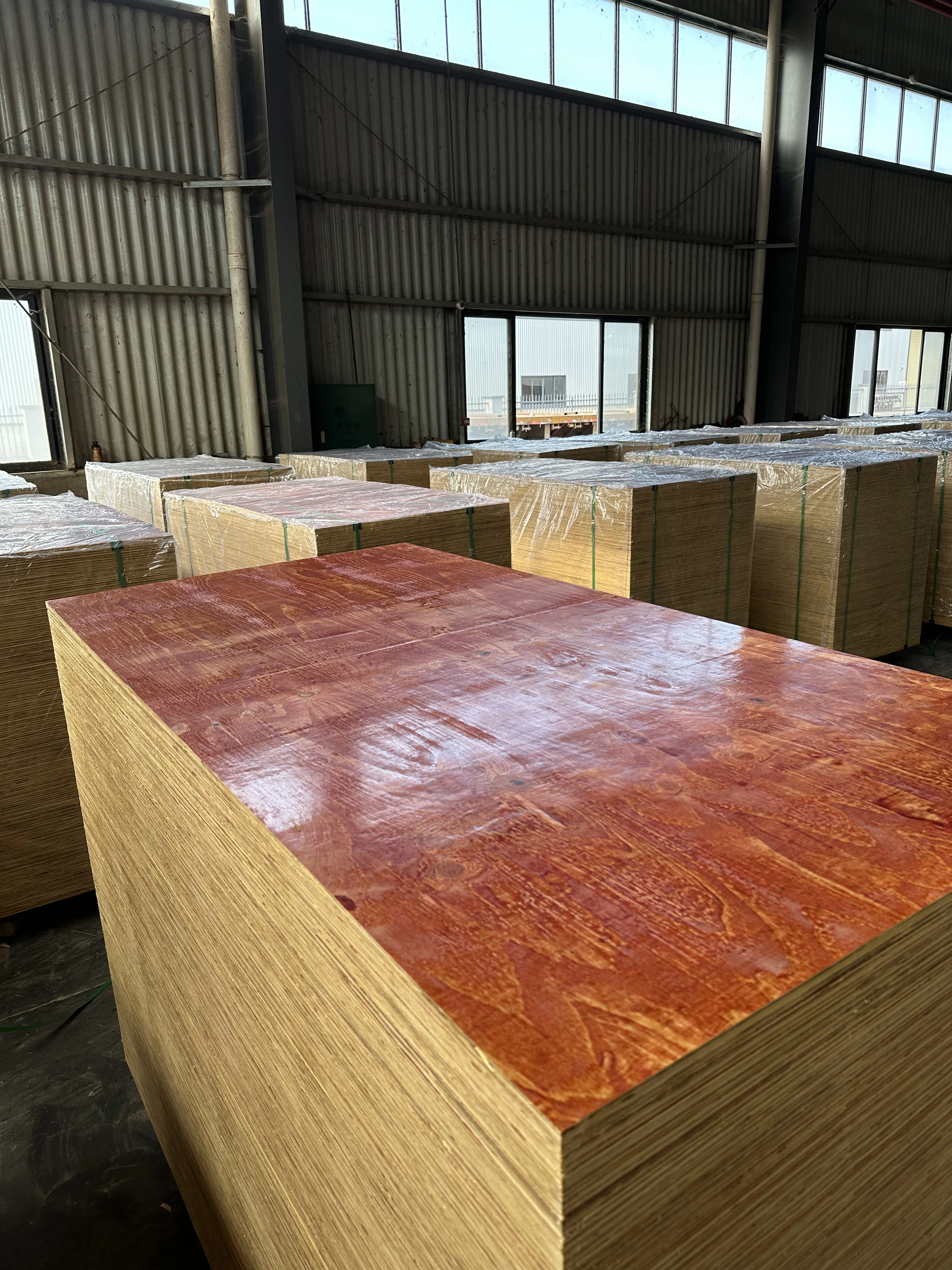
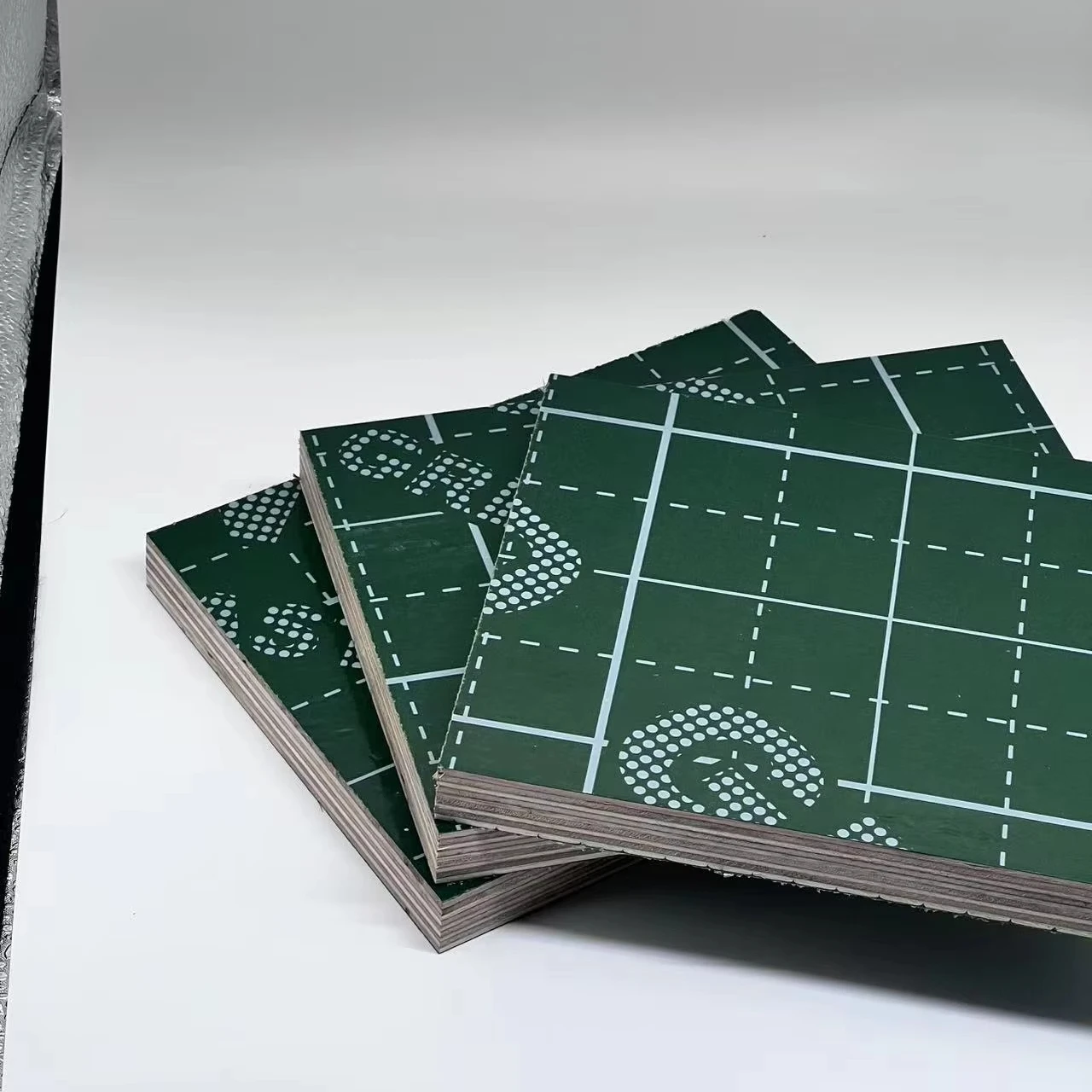
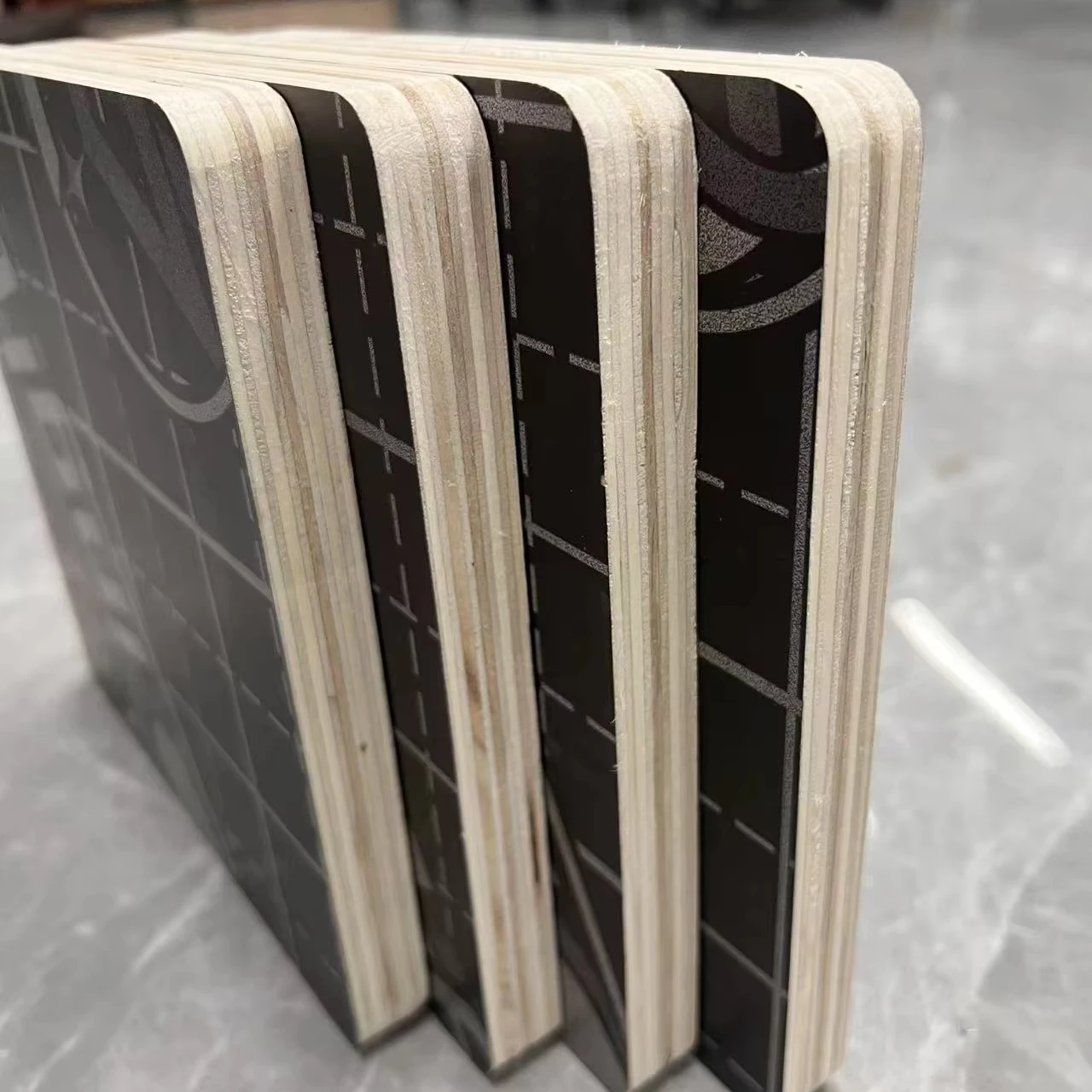
Primary Material Type: Film-Faced Plywood (FFP) was the workhorse of this project.
Core Material: Typically a composite hardwood core (e.g., eucalyptus, poplar) or pine, chosen for high strength and superior screw-holding capability.
Surface Treatment: Both faces are laminated with a phenolic resin-impregnated film (usually dark brown or black). This coating creates an extremely smooth, waterproof, and chemical-resistant surface that yields a high-quality concrete finish and dramatically extends the formwork's service life.
Common Specifications: Standard 1220mm x 2440mm sheets were used. Common thicknesses were 18mm and 21mm for handling various concrete pressures.
The production of FFP involves an enhanced version of the standard plywood process:
1.High-Quality Core Production: Selected veneers are laid up and bonded under pressure to create a stable, void-free plywood core panel.
2.Surface Preparation & Filming: The core panel is precision-sanded. It is then overlaid with the resin-saturated film and subjected to high heat and pressure. This bonds the film permanently to the surface, creating a seamless, impermeable barrier.
3.Edge Sealing: The panel edges are often sealed with a waterproof coating to prevent moisture ingress between the plies, crucial for the wet concrete environment.
4.Curing and Quality Control: The final panel undergoes curing and is rigorously tested for bond strength, dimensional tolerance, and surface release properties.
The use of film-faced plywood formwork was instrumental in achieving rapid construction cycles and high-quality concrete finishes at "Horizon Plaza." The excellent surface finish reduced post-concrete labor, while the material's durability allowed for numerous reuses, optimizing material costs. This case demonstrates how engineered plywood products are indispensable for modern, large-scale commercial projects requiring efficiency, safety, and cost-effectiveness.

Copyright © Guangxi Dinghaode Wood Industry Co., Ltd. All Rights Reserved
 EN
EN