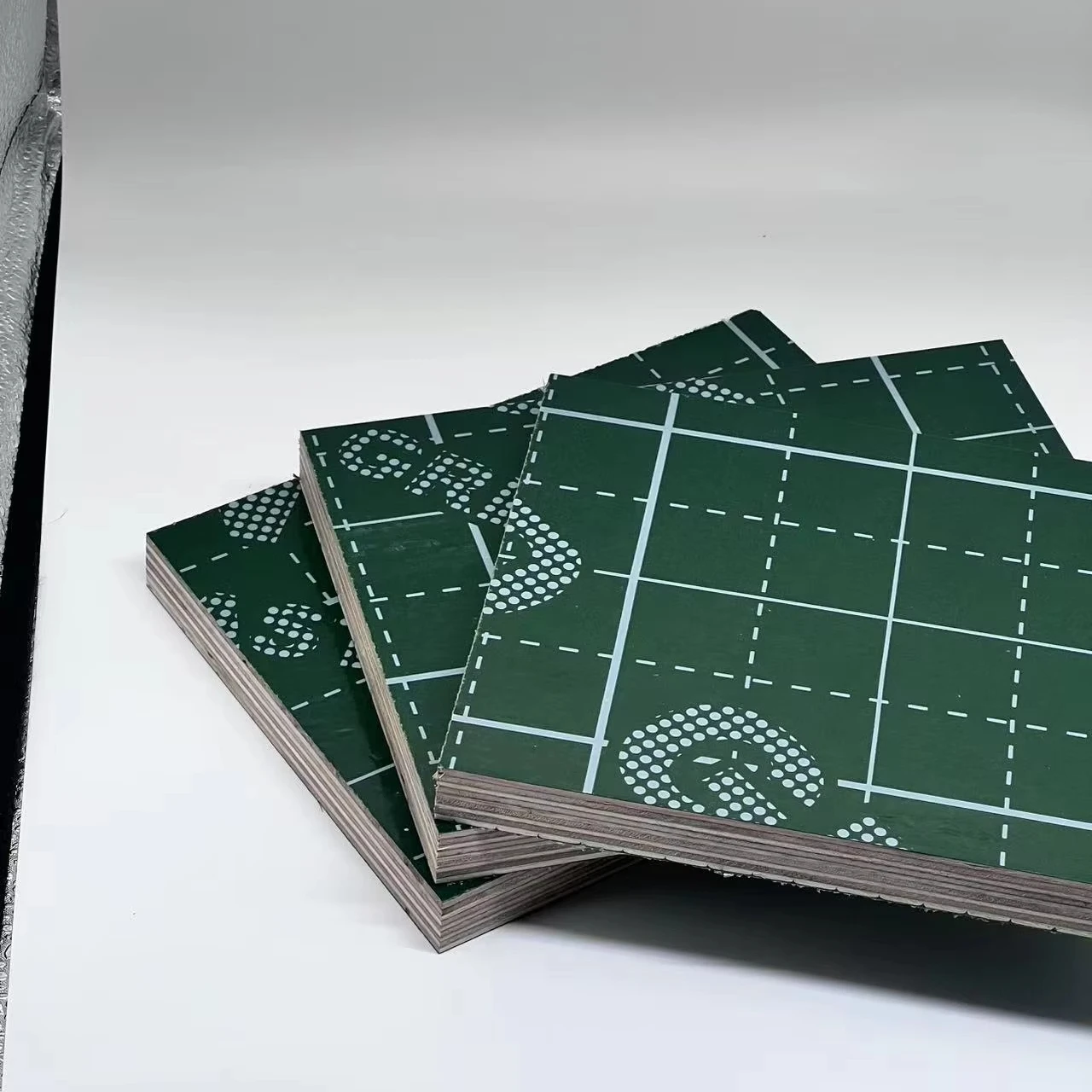
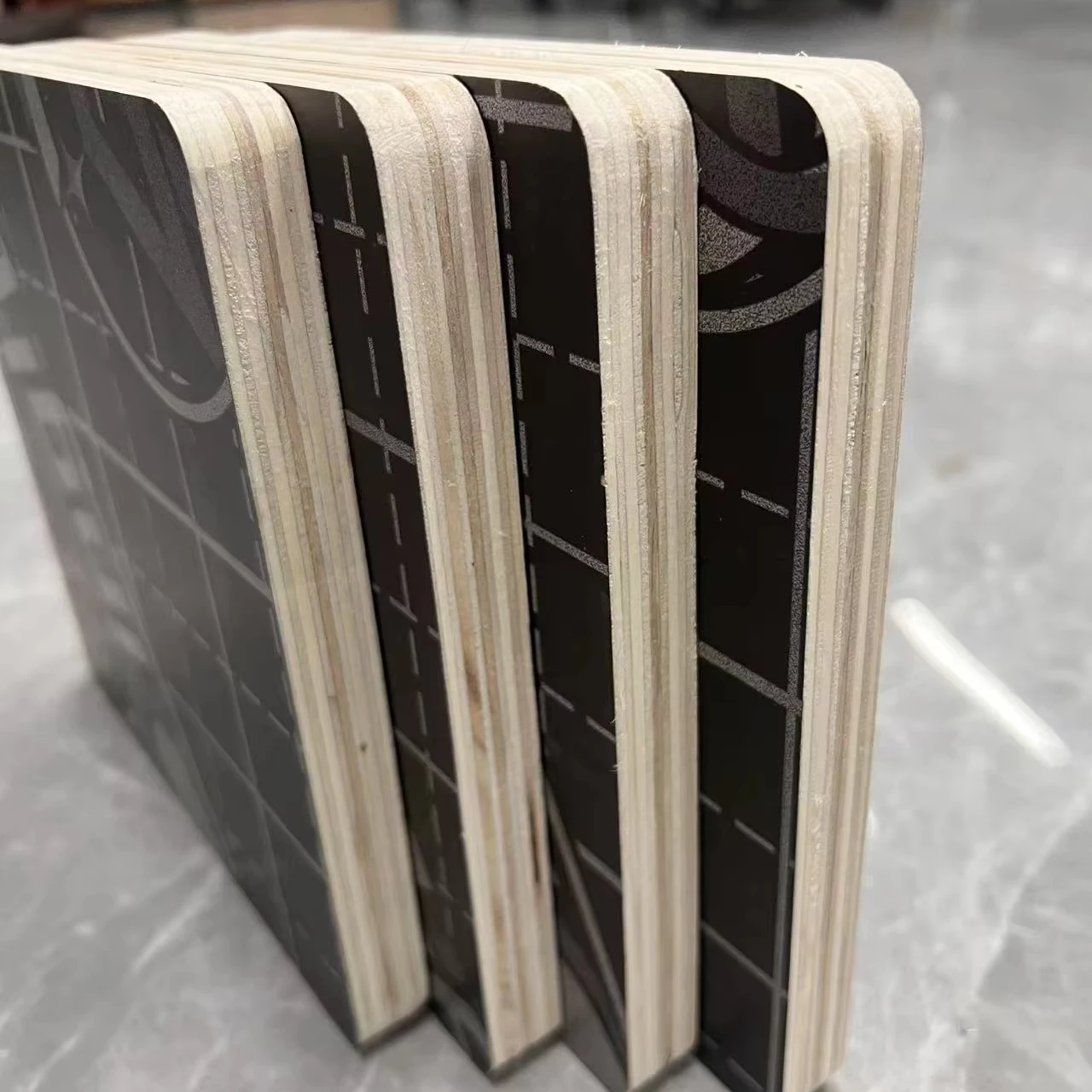
Project: The "Riverbend" Single-Family Residence Location: Portland, Oregon, USA Primary Applications: Wall, roof, and floor sheathing; custom interior millwork. Overview of Plywood Usage The "Riverbend" project exemplifies the versatility of plywood...
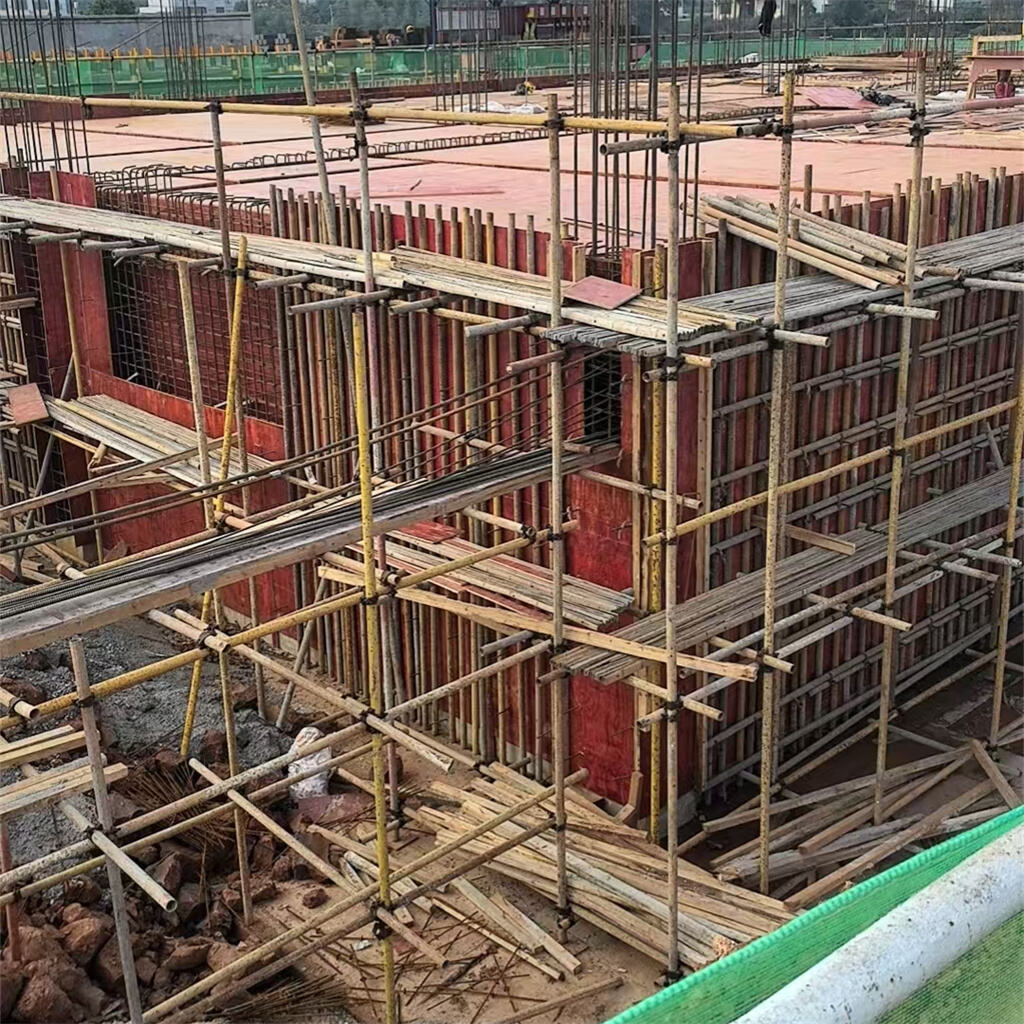
Project: The "Riverbend" Single-Family Residence
Location: Portland, Oregon, USA
Primary Applications: Wall, roof, and floor sheathing; custom interior millwork.
The "Riverbend" project exemplifies the versatility of plywood as both a critical structural component and a finished interior material. Plywood was integral from the ground up, serving as the primary sheathing material for all exterior walls, interior partitions, roof decks, and floor systems. Its exceptional shear strength provided essential racking resistance and structural rigidity to the building envelope. Beyond standard sheathing, the project utilized higher-grade, furniture-grade plywood for custom built-in shelving, kitchen cabinetry, and feature walls, creating a cohesive aesthetic that connects the structure to the interior finish.
Frequency: Extremely High. Plywood was used in every phase of construction and was the most abundant sheet material on site.
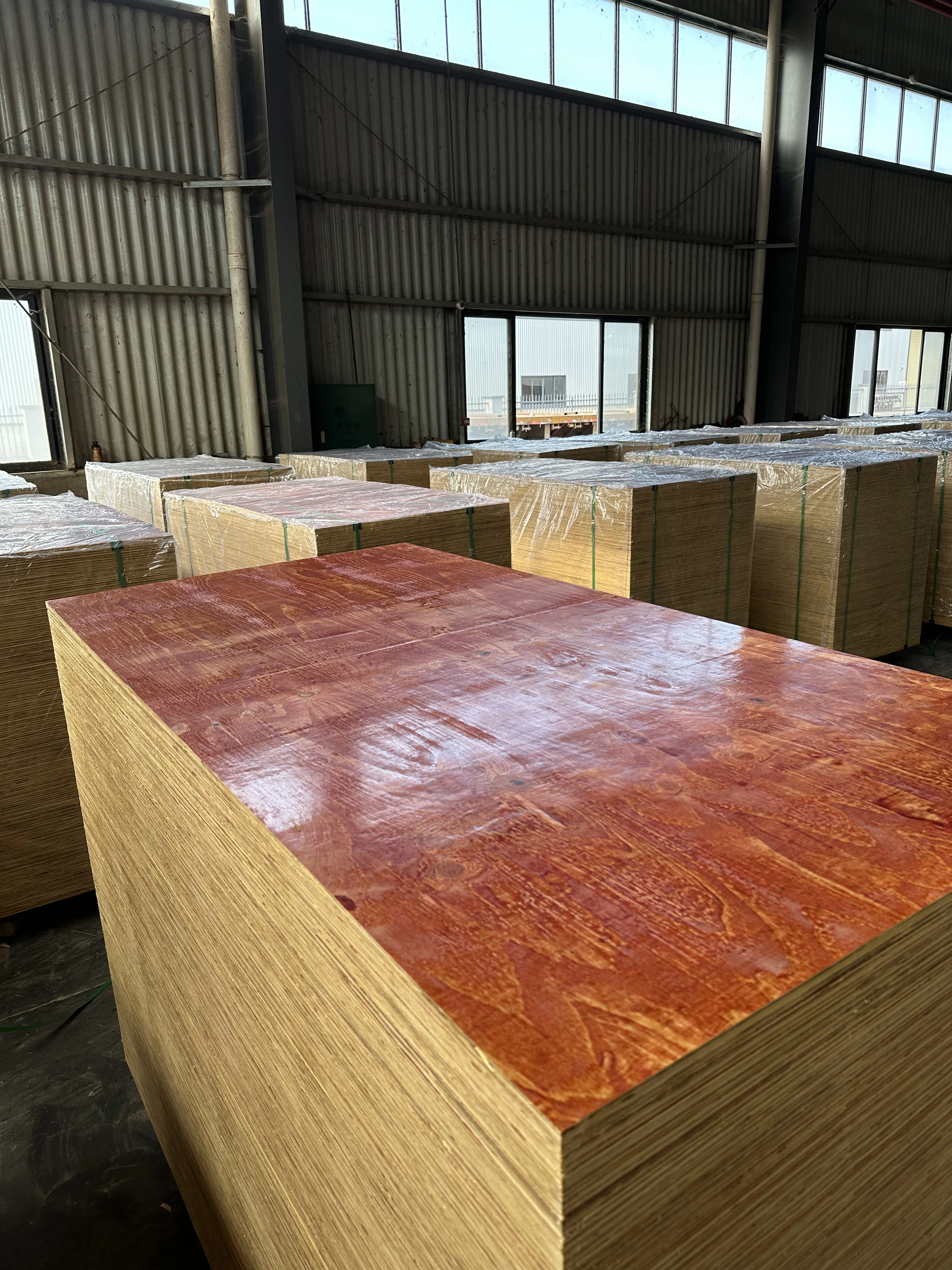
1. Softwood Structural Plywood: Made from Douglas Fir, used for all sheathing applications. Its cross-laminated layers provide dimensional stability and load-bearing capacity.
2. Hardwood-Faced Plywood: A-grade Birch-faced plywood was selected for visible interior applications. Its smooth, attractive veneer was finished with a clear sealant to highlight the natural grain.
3. Common Specifications: Standard 1220mm x 2440mm (4' x 8') sheets were used. Thicknesses ranged from 1/2" (for some interior walls) to 3/4" (for floor sheathing).
The plywood used in this project followed a standardized, industrial manufacturing process:
1. Peeling the Veneer: Selected logs (peeler cores) are debarked, softened, and rotated against a large lathe blade to produce a continuous sheet of thin veneer.
2. Drying and Grading: The green veneer is dried to a precise moisture content. Each sheet is then graded for strength (for structural layers) and appearance (for face layers).
3. Layup and Gluing: Dried veneers are coated with adhesive—typically a durable, waterproof phenol-formaldehyde resin for exterior applications. The veneers are assembled with their wood grains perpendicular to adjacent layers (cross-laminated), forming an odd-numbered ply stack.
4. Hot-Pressing: The layered stack is placed in a massive hot press. Heat and pressure cure the resin, permanently bonding the plies into a solid, stable panel.
5. Finishing and Grading: The pressed panels are sanded, cut to size, and inspected. They receive a grade stamp indicating species, exposure durability rating (e.g., Exposure 1 for protected construction), and performance standards met.
The extensive use of plywood contributed to a robust, energy-efficient building envelope constructed with remarkable speed. The structural sheathing simplified the framing process, while the hardwood plywood interiors delivered a warm, modern aesthetic. This approach successfully met the project's dual goals of sustainable construction and contemporary design.

Copyright © Guangxi Dinghaode Wood Industry Co., Ltd. All Rights Reserved
 EN
EN