The role of formwork is crucial in construction. It’s like a mold that sets concrete before it hardens. Without formwork, we’d have no buildings, no bridges, no roads. The formwork is made of different materials, and choosing the right type can have an impact. Dinghaode know how to use formwork in construction best. We’d like to help everybody understand how that process works, and why materials matter. For example, using high-quality PP Plastic Film Faced Plywood can enhance the durability of formwork.
Formwork materials Formwork can be made from several materials. Wood is a highly frequent material. It is readily available and easy to use. Builders can cut and shape wood to suit. Yet wood can take in water and could be problematic in the rain. Another popular material is steel. Steel is tough and can be reused multiple times. It's able to support heavy concrete without bending. Still, steel is heavier and in some cases pricier than wood. Another new option that is gaining in popularity is plastic. It is lightweight and will never rot or rust. And it’s easy to clean after the concrete cures. The best formwork systems are a combination of these materials, which is used by Dinghaode. Since every project is unique, a mix of materials can ensure the best finish. In one project heavy concrete may be the key, while in another steel could take the prize. But for smaller projects, wood or plastic may be just fine. It’s just a matter of fitting the right stuff to the job. For instance, H20 Timber Beams are often used in larger constructions for their strength.
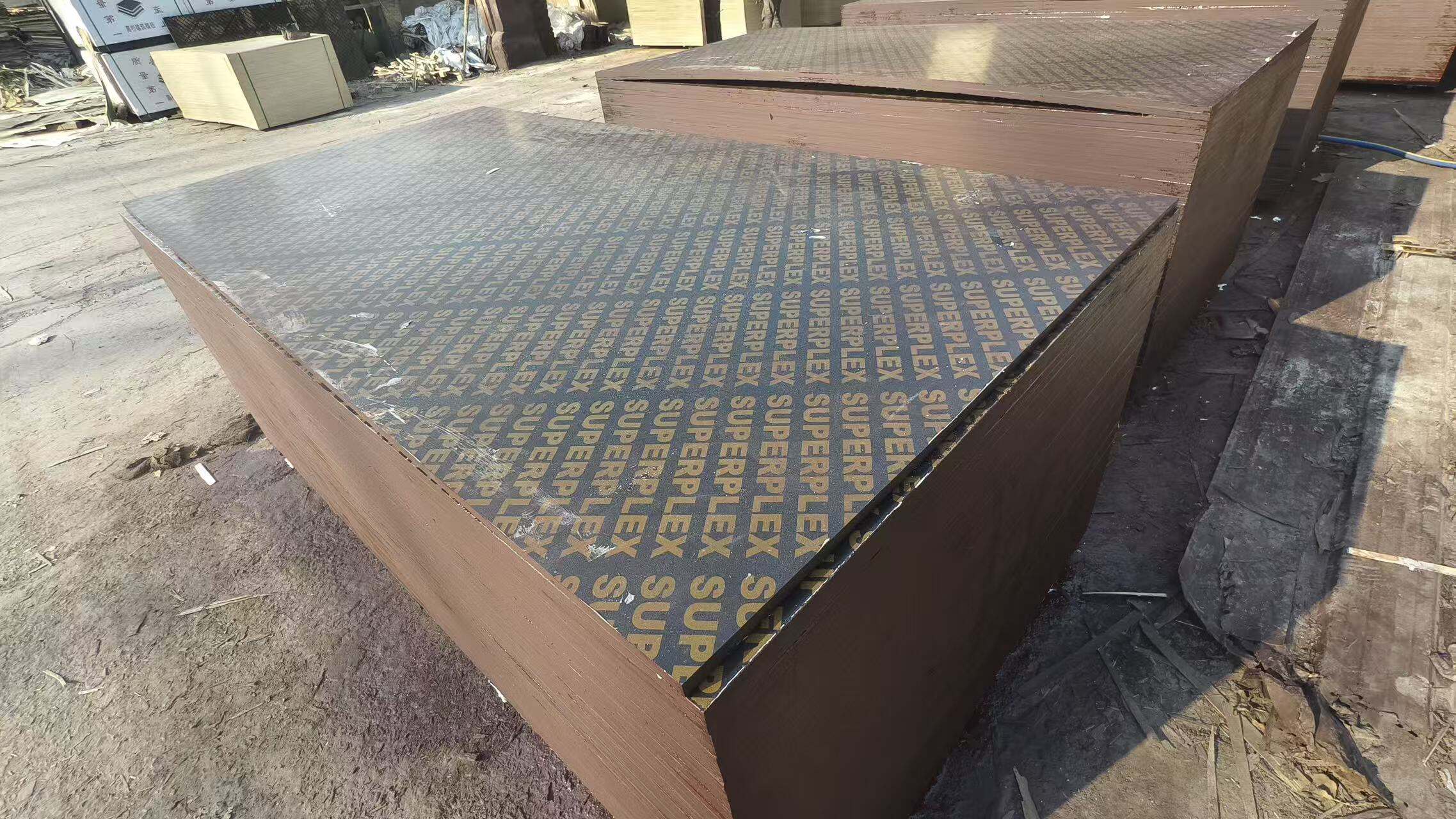
The modular formwork systems offer several benefits. These systems are constructed using pre-built parts that can easily be assembled and disassembled. This maneuvers them to be very adaptable and you can use them with ease. Builders can easily alter the shape and size of the formwork according to their use. This saves time and effort. And using modular systems can reduce waste. By creating pieces that can be assembled effectively, builders don’t need to use nearly as much extra material. Dinghaode backs this approach because it helps to leave the construction site cleaner and more orderly. Another benefit is that the modular formwork systems can be recycled. This ensures that builders don’t have to purchase fresh materials for every project. Not only can they save money over the long haul. Additionally, these systems may be lighter than conventional formwork and hence easier to transport and erect. This results in safer on-site working. With so many benefits, it’s no wonder why several contractors are opting for modular formwork systems. They make projects flow better and more efficiently, and that’s something everyone in construction is looking for.”
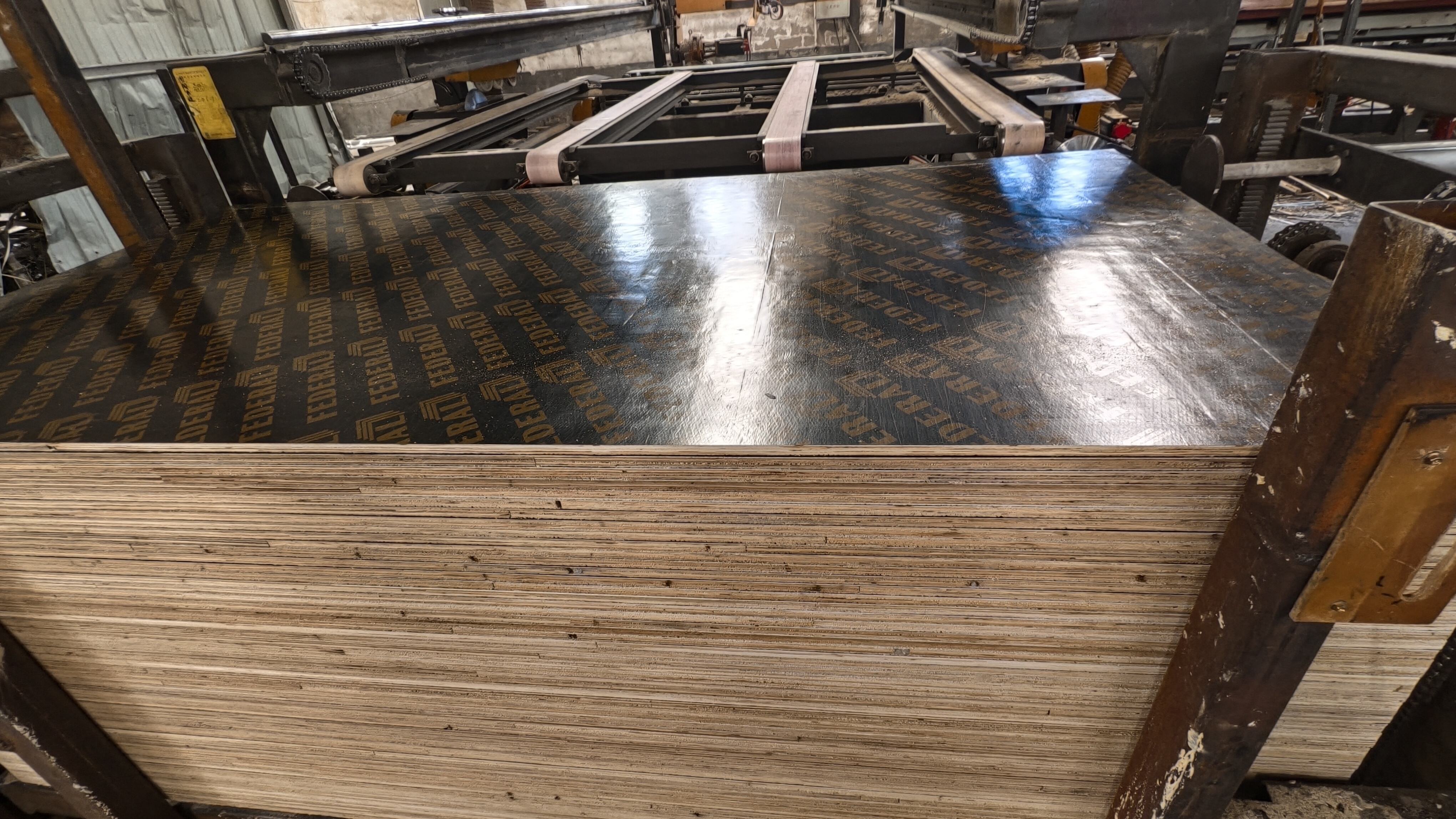
When workers build something very big, such as a bridge or a tall building, they will need special tools to form and shape the concrete. One such tool is formwork. Formwork is kind of like a mold, but instead of holding hot plastic like a typical artisanal chocolate maker’s metal confectionery press, it secures wet concrete until it hardens. The use of the correct type of formwork can save money on a building project. Cost cutting benefits of smart formwork solutions On the Dinghaode, we are of the opinion that you can save costs in multiple ways through investing on smart formworks. For one, reusable formwork materials can be cost effective. Instead of throwing away materials for each new project, you can use a single formwork repeatedly. That would also cost money and produce still more waste. And second, good formwork can help your builds go faster. The faster workers can get the formwork up, the more quickly they can pour concrete and finish the job. That means less time on site and lower labor expenses. Third, if the formwork is constructed of lightweight materials it may be easier for workers to move and erect. This can prevent injuries and cut down on heavy machinery that can carry a steep rental fee. Finally planning for the future and considering formwork design can prevent issues further down the road. The better you plan, the less you’ll screw up and the smoother the project will go. Here at Dinghaode, we strive to bring more money-saving and efficient-working solutions for builders!
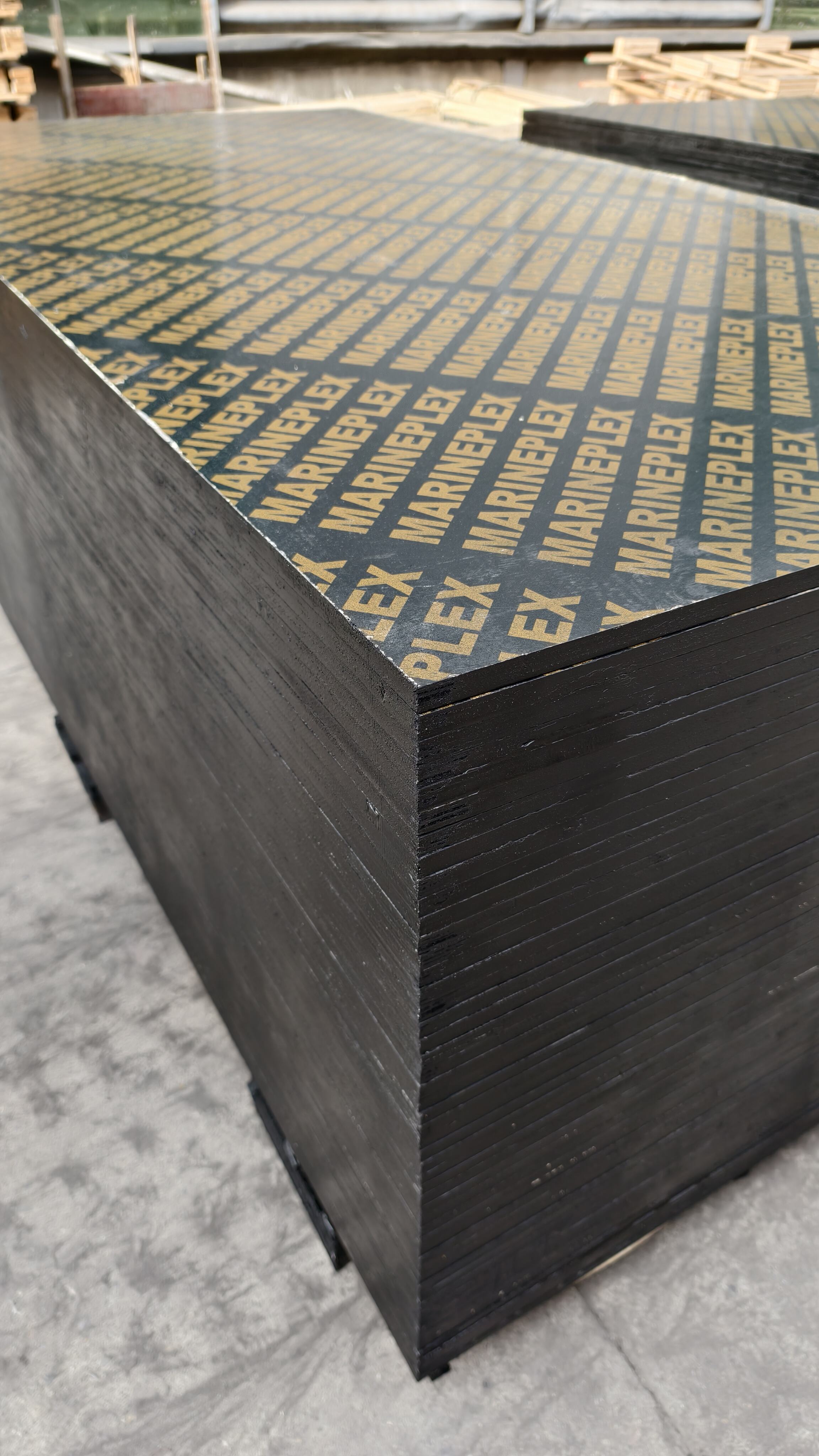
In the beginning of 2023, we are now seeing some really exciting developments in formwork technology. A host of changes are simplifying and securing construction. And one interesting trend is the digital tools. Software can now help builders design and plan formwork. It is with the aid of these tools that they can look at how the formwork will work and what it will look like before they even start building. That means fewer surprises and errors during construction. A second trend is working with new materials that are both stronger and lighter. For instance, some formwork can be created from tough plastics or composites which are not only durable but also easy to work with. This permits workers to form up the formwork faster and also aids in its handling. You have the factor of this new trend towards environmental friendly material as well. It’s increasingly common for companies to be looking for ways to cut down on waste or utilize sustainable resources. Dinghaode is determined to be up to date on such trends. Our goal is to constantly offer our customers the most modern formwork systems. Finally, construction is getting more automated. Machines can now assist in erecting and stripping formwork, speeding up the process and minimizing injury risk. All of these trends add up to formwork technology that is better and smarter, and is helping builders put structurally sound buildings in place more easily.

Copyright © Guangxi Dinghaode Wood Industry Co., Ltd. All Rights Reserved
 EN
EN