The construction formwork is an important tool in any construction process. It’s similar to a mold that holds the shape of concrete until it sets. This enables the formation of walls, floors or other structures. At Dinghaode we recognise the importance of having the correct formwork. It’s got to be both strong and safe to ensure that the building lasts. The kind you choose can make a big difference in how the project goes. It can save time, money and make workers safer.
When choosing formwork for a construction project, there are some important factors to consider. First you must decide what kind of building is on your drawings. Are you constructing a sky scrapper or a small house? The size and shape of your project determine what type of formwork you will need. For instance, if you are working in a huge project, steel formwork may be what you need to use because it’s much stronger and it can be used over and over again. If the project is smaller, however, wood formwork may be the answer as it can be easier to manage and less expensive. Consider options like 1220x2440mm Multi-layer Interlocking Waterproof Plywood which is ideal for various construction needs.
Second, you have to consider the place where the form work will be used. If you’re working in a wet area, then it is important that the formwork be able to tolerate moisture without losing its integrity. Some materials are more water resistant than others. And you should also think about how long these forms will be in place. If it’s going to have to remain in place for any length of time, it should be sturdy enough to support the weight of the concrete. Using products like Red Pine Water Resistant Phenolic Film Faced Plywood can be a great solution for wet conditions.
Another point to consider is how quickly the formwork can be set up and taken down. When it’s complex, it can be longer before you get the job done. At Dinghaode, we provide varieties of formwork that are easy to install. This could accelerate the pace of building. Finally, be sure to take your budget into consideration. The cost of formwork varies, depending on the type of form it is and how often it’s used, which means that selecting one should involve a balance between cost and quality. When you carefully consider all of these points, you can then decide on the appropriate formwork system to use that will be best for your build.
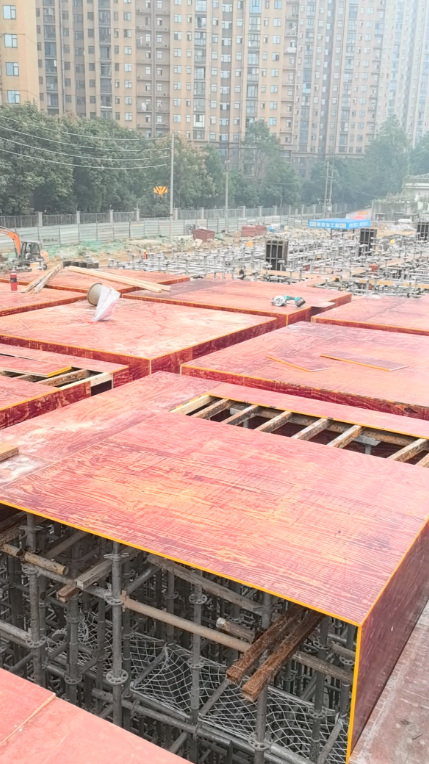
Wooden formwork is made from boards and for small construction. It cuts easily into any shape you want. But it might not be as strong as other materials, and can take time to set up. Steel formwork, on the other, is extraordinarily strong and suitable for reuse many times. One of the good things about it is that it’s good for big tall buildings as well because it can carry a lot of weight. Steel formwork may be more costly, but it pays for itself over time because it is a durable material. Last but not least, the plastic formwork is light in weight and easy to transport so it has become a preference among many builders. It’s also reusable, so less waste is created.
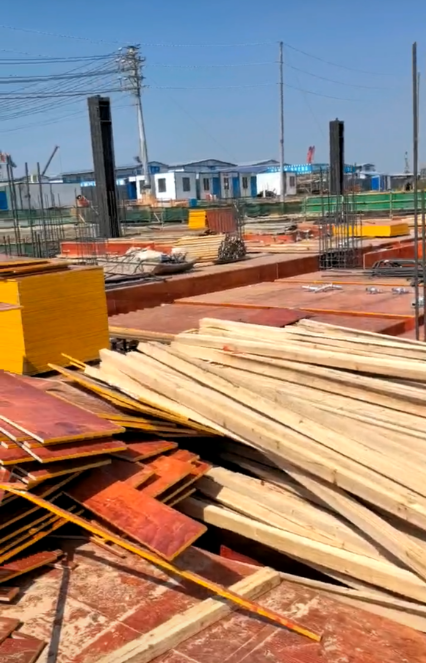
One way to make the most of investment is to think ahead. Contractors need to take into account the size and shape of the project before selecting formwork. This can help prevent costly errors that would be both time consuming and wasting of materials. Finally, training workers in how to correctly prepare and strip formwork can also make a difference. Workers who know what they are doing can get the work done more quickly and safely.
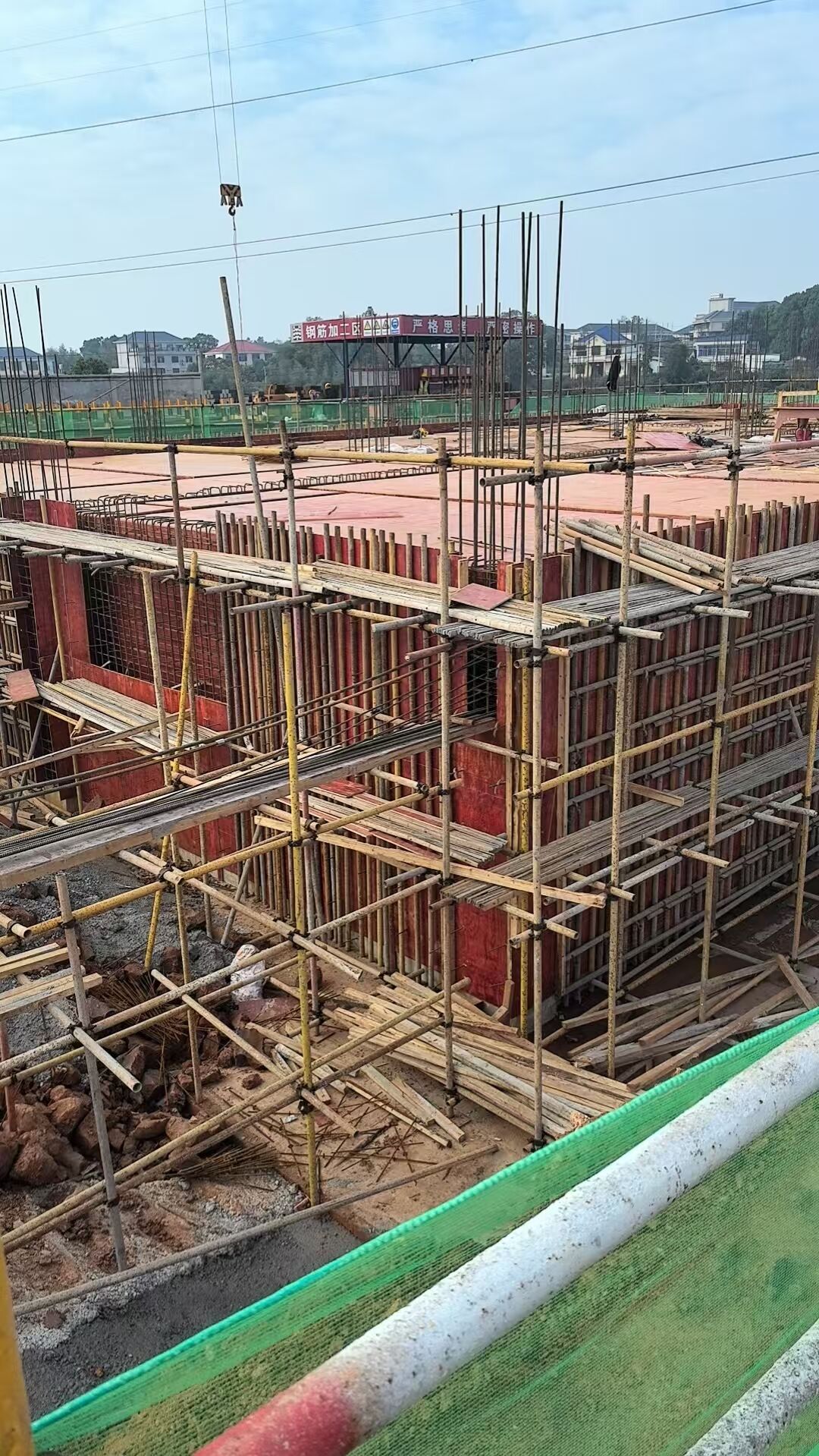
Construction formwork is also crucial for work to be more sustainable. Contractors who construct with reusable formwork are able to generate less waste during construction. This is crucial because construction waste can occupy huge amounts of room in landfills and create environmental problems. Contractors can help mitigate this by working with sturdy materials like steel or plastic that are reusable.

Copyright © Guangxi Dinghaode Wood Industry Co., Ltd. All Rights Reserved
 EN
EN